
El Protocolo Suplementario de Nagoya - Kuala Lumpur sobre Responsabilidad y Compensación
14 Aniversario
Al cumplirse el 14 aniversario de la firma del Protocolo Suplementario de Nagoya - Kuala Lumpur sobre Responsabilidad y Compensación, el MINAM aún no ha determina cuánto de nuestra Legislación Nacional ya cubre lo que se indica en este Protocolo Suplementario, el cual es para nosotros una Ley Supra Nacional donde se define claramente el término “daño”.
¿Qué es el Protocolo Suplementario?
(Acceso a la documentación en el portal de la Convención de la Diveridad Biológica)
El Protocolo Suplementario, adoptado como un acuerdo suplementario al Protocolo de Cartagena sobre Seguridad de la Biotecnología, tiene como objetivo contribuir a la conservación y utilización sostenible de la diversidad biológica, proporcionando normas y procedimientos internacionales en la esfera de la responsabilidad y compensación en relación con los organismos vivos modificados (OVM). El Protocolo Suplementario se aplica a los daños resultantes de OVM cuyo origen haya sido un movimiento transfronterizo (Artículo 3).
En el Protocolo Suplementario se presenta la definición de "daño" como un efecto adverso en la conservación y utilización sostenible de la diversidad biológica que pueda medirse, o de cualquier otro modo observarse, o sea significativo, tomando también en cuenta los riesgos para la salud humana. También se proporciona una lista indicativa de factores que habrán de utilizarse para determinar el grado en que un efecto adverso puede considerarse significativo.
En el Artículo 4 del Protocolo Suplementario se estipula que habrá de establecerse un vínculo causal entre el daño y el OVM. Los Estados deben requerir que el operador u operadores apropiados tomen medidas de respuesta en el caso en que se produzca un daño resultante de OVM cuyo origen haya sido un movimiento transfronterizo, tal como se establece en el Artículo 5. Se define como "operador" a cualquier persona que tenga el control directo o indirecto del OVM. El operador también debe tomar medidas de respuesta cuando existe una probabilidad suficiente de que haya daño si no se toman medidas de respuesta oportunas.
Las medidas de respuesta también pueden ser tomadas por la autoridad competente, por ejemplo, cuando el operador no lo haya hecho. En dichos casos, la autoridad competente puede solicitar que el operador se haga cargo de los gastos y costos devengados por dichas medidas. Además de la obligación de proporcionar medidas de respuesta, las Partes pueden elaborar normas y procedimientos de responsabilidad civil a fin de hacer frente a los daños.
En el Protocolo Suplementario se define "medidas de respuesta" como las acciones razonables para (i) prevenir, reducir al mínimo, contener, mitigar o evitar de algún otro modo el daño, según proceda, y (ii) restaurar la diversidad biológica.
Además de imponer la exigencia de medidas de respuesta, el Protocolo Suplementario obliga a las Partes a continuar con la aplicación de la legislación sobre responsabilidad civil existente o a elaborar legislación específica sobre responsabilidad y compensación en relación con los daños materiales o personales asociados al daño a la conservación y utilización sostenible de la diversidad biológica, como se define en el Protocolo Suplementario.
Dado que las medidas de respuesta pueden ser impuestas por una autoridad administrativa competente en lugar de un órgano jurídico, se acepta que el Protocolo Suplementario ha introducido un "enfoque administrativo" en materia de responsabilidad y compensación.
Entrada en vigor
El Protocolo Suplementario fue adoptado el 15 de octubre de 2010 en la quinta reunión de la Conferencia de Partes que actúa como reunión de las Partes en el Protocolo de Cartagena sobre Seguridad de la Biotecnología, celebrada en Nagoya, el Japón, y entró en vigor el 5 de marzo de 2018.
El acuerdo internacional vinculante crea obligaciones para los Estados que se aplicarán a nivel nacional.
- Enlace a todo lo concerniente al Convenio sobre la Diversidad Biológica.
- Enlace a más información sobre las actividades y materiales de creación de capacidad en apoyo de las iniciativas de las Partes de aplicación del Protocolo suplementario.
- Enlace a un panorama general sobre la situación del Protocolo Suplementario.
Berenjena Bt aprobada en Bangladesh (ISAAA Brief 47-2014)
Decisión histórica
Reporta el Servicio Internacional para la Adquisición de Aplicaciones Agro-biotecnológicas (ISAAA)
La berenjena es una hortaliza muy importante en Bangladesh, donde es cultivada por cerca de 150.000 pequeños agricultores. Desgraciadamante la berenjena es fuertemente atacada por un insecto barrenador plaga, el cual causa enormes pérdidas económicas, sólo controlables por medio de numerosas aplicaciones de insecticidas sumamente tóxicos, llegando a más de 80 aplicaciones por temporada! Esto acarrea graves consecuencias para los productores, los consumidores y el medio ambiente.
En una decisión histórica tomada en 2013, Bangladesh aprobó oficialmente el lanzamiento de variedades de berenjena Bt resistente a los insectos plaga. Cuatro variedades de berenjena con el transgen Bt se emepezaron a sembrar a principios de 2014 en cuatro regiones representativas de Bangladesh: Gazipur, Jamalpur, Pabna y Rangpur. El próximo año, el gen Bt se introducirá en otras cinco variedades de berenjena para satisfacer la creciente demanda de semillas. Cabe destacar que en los próximos cinco años, el gobierno de Bangladesh planea lograr una cobertura de 20.000 hectáreas, o un 40% del área dedicada a la berenjena, con las variedades transgénicas. Estas variedades beneficiarán a los pequeños agricultores reduciendo las pérdidas económicas, aumentando sustancialmente la producción comercial, y mejorando la salud de todos los involucrados gracias a la reducción en el uso de insecticidas tóxicos.
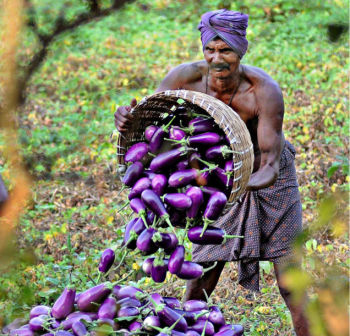
Datos experimentales indican que el rendimiento de la berenjena Bt puede incrementar los rendimientos en un 30% y el número de aplicaciones de insecticidas podría reducirse en un 70 a 90%. Se estima que la berenjesna Bt podría generar un beneficio económico neto de US$200 millones de dólares al año para los 150.000 productores de berenjena en Bangladesh.
Ojalá que la India aprenda del ejemplo de Bangladesh y adopte pronto una decisión similar para su país y por el bien de sus pobladores.
Bolivia reconoce la importancia de los transgénicos y otras tecnologías
Evo sugiere que transgénicos son necesarios para el país
Abre posibilidad de hacer cambios en la ley madre tierra
Publicado por Editorial Día a Día, Bolivia. Autor: Marcelo Campos Vélez.
El presidente señaló que no se puede concebir alimentos sin la utilización de elementos químicos para mejorarlos. Hay satisfacción en los agropecuarios.
En el marco de la promulgación de la Ley del Complejo Productivo de la Caña de Azúcar, el presidente Evo Morales abrió la posibilidad de modificar la Ley Madre Tierra y el Desarrollo para Vivir Bien, especialmente en favor del uso de transgénicos en la producción de alimentos, en un cambio de actitud que fue aplaudida por sectores agropecuarios, que ayer le pidieron plasmar esa idea en esa polémica norma que les impide usar elementos químicos para mejorar sus productos.
"Más importante es alimentar al pueblo". Morales hizo notar que existen algunos sectores "radicales" que quieren prohibir totalmente el uso de transgénicos, pero que al mismo tiempo no pueden garantizar la alimentación con productos orgánicos en el país y que esa tecnología, siga siendo utilizada sin restricciones por los productores nacionales, ante la amenaza de la prohibición que se señala en la Ley Madre Tierra.
"Estaban divididos sobre el tema de transgénicos, es importante cuidar los derechos de la madre tierra, pero por encima de eso es importante garantizar alimentos para el pueblo. Los hermanos que tenían una posición muy dura con relación a productos transgénicos, yo les decía si ustedes me garantizan alimentos orgánicos sanos ecológicos para todo el pueblo, no tengo ningún problema, díganme cómo me garantizan, pero ninguno me decía que podía garantizar", señaló el presidente Morales, a tiempo de comentar que en el mundo no existe ningún país que exporte alimentos orgánicos, para así garantizar la alimentación en Bolivia, en el caso hipotético de que se prohibiera el uso de transgénicos en el país.
Leyes de contrabando. En este marco, en su discurso Morales expresó que existirían algunos términos de contrabando, pero recalcó que su revisión no debe alterar las garantías de una alimentación digna para el pueblo boliviano. Además, admitió que pudieron existir algunos errores en la realización de la Ley Madre Tierra.
Esperamos los cambios en la ley. El presidente de la Asociación Nacional de Productores de Oleaginosas (Anapo), Demetrio Pérez, dio su visto bueno a las declaraciones del presidente, pero resaltó que el sector productivo estará tranquilo cuando se realice los cambios a ley, además de señalar que es el entorno del presidente los que quieren la prohibición de los transgénicos.
“Nos parece muy bien que el presidente admita la necesidad del uso de las últimas tecnologías en la agricultura. Estamos un poco tranquilos por estas declaraciones, pero vamos a estar mucho más tranquilos”, dijo Pérez.
Por su parte, Julio Roda, presidente de la Cámara Agropecuaria del Oriente (CAO), indicó que las declaraciones del presidente son positivas, ya que sólo el uso de esta tecnología puede asegurar la alimentación en el país.
“El uso de transgénicos es indispensable en Bolivia, porque sino vamos a quedar atrás con respecto a otros países y no vamos a poder subsistir si no utilizamos esta tecnología”, comentó Roda.
"Nos parece bien que el presidente admita la necesidad del uso de estas tecnologías. Vamos a estar tranquilos cuando se realicen los cambios en la ley".
Demetrio Pérez (Presidente Anapo)
USDA Autoriza la Siembra de Remolacha Azucarera Genuity Roundup Ready®
Aumenta el número de especies transgénicas comerciales
4 de Febrero de 2011. El Departamento de Agricultura de EEUU (USDA) autorizó la siembra de remolacha azucarera resistente al herbicida Roundup de las compañias Monsanto y KWS SAAT AG, para gran satisfacción de los agricultores.
El año pasado las dos compañías solicitaron al USDA actuar con medidas provisionales para que los agricultores pudieran seguir cultivando remolacha azucarera Roundup Ready, mientras que el USDA completa una Evaluación de Impacto Ambiental (EIA).
La remolacha azucarera Roundup Ready&tm; había sido introducida inicialmente durante las campañas agrícolas 2007-2008. En 2010, más del 90 por ciento de la remolacha azucarera cultivada en EEUU eran variedades Roundup Ready. Los productores de remolacha azucarera han confirmado que la remolacha azucarera Roundup Ready reduce los impactos sobre el medio ambiente y les permite que sean más productivos.
El año pasado un tribunal federal de procedimiento anuló la autorización previa del USDA para la remolacha azucarera Roundup Ready, requiriendo al USDA preparar un EIS. Como consecuencia, el USDA tendría que dictar medidas cautelares en caso de decidir continuar permitiendo su cultivo antes de completar el EIA. Este proceso puramente administrativo no tuvo nada que ver con seguridad o eficacia del producto.
En 2010, la Corte Suprema de EEUU reafirmó la autoridad del USDA para tomar medidas interinas para autorizar la siembra de un cultivo mientras que el USDA se encuentre aún completando un EIA. Una vez completado el EIA, el USDA podrá decidir si autoriza la siembra de remolacha azucarera Roundup Ready sin condiciones.
Japón aprueba papaya transgénica
Primer transgénico aprobado en el País del Sol Naciente
La primera fruta en entrar al mercado no es el producto de una multinacional, sino el resultado de la tenacidad de un científico, el Profesor Dennis Gonsalves, quien no sólo ha dedicado gran parte de su vida a este proyecto, el cual salvó la industria de producción de papaya en Hawaii, sino que sigue peleando para que otros países puedan gozar de este avance. Su trabajo a través del tiempo muestra que las millonarias sumas necesarias para obtener la aprobación de productos transgénicos en el mercado, no es más que producto de los miedos infundados de los oponentes a la biotecnología. El hecho que un mercado tan precavido, como lo es el del Japón, comprueba una vez más que no hay razón para no tratar a los productos transgénicos como a sus homólogos convencionales.
Lea más en el artículo a continuación (en inglés).
|
By Harry Cline, Farm Press Editorial Staff April 20, 2010 westernfarmpress.com Genetically modified papaya will soon be on the supermarket shelves in Japan just like it now is in the U.S.This first-ever fresh market GMO food product is not from an American corporate giant. It is the result of tenacious research from a host of scientists and the cooperation of Hawaiian farmers. This rare feat in today's contentious debate over GMO crops was not accomplished to make a statement. It was to save an important crop for farmers in the impoverished state of Hawaii. Dennis Gonsalves, director of the U.S. Department of Agricultures Pacific Basin Agricultural Research Center in Hilo, Hawaii, and professor emeritus of plant pathology at Cornell, detailed to the 63rd annual meeting of the Western Society of Weed Science in Hawaii how Hawaiian agriculture has done what no other ag sector has; win approval to market a genetically modified food crop in the U.S. and Japan. Gonsalves was the project leader on the successful effort to save Hawaii's $47 million papaya industry. He is a native Hawaiian raised on a sugar plantation on Hawaii's Big Island. He received bachelor's and master's degrees from the University of Hawaii and a doctorate at the University of California at Davis. He went to Cornell University as an associate professor in 1977. He spent 25 years at Cornell, yet his biggest professional achievement there saved an industry 4,700 miles away in his native island homeland. Gonsalves left Cornell eight years ago to become director of the USDAs Agricultural Research Service (ARS) Pacific Basin Agricultural Research Center in Hilo, Hawaii. Papaya is the second largest fruit crop in Hawaii. It is grown commercially for export to the U.S. mainland and Japan. Hawaii exports 25 percent to 30 percent of its papaya to Japan. Papaya trees can be severely damaged by the papaya ringspot virus (PRSV), which is rapidly transmitted by aphids. In fact, PRSV is the most serious virus disease of papaya worldwide. PRSV was discovered in Hawaii in the 1940s. It virtually eliminated large papaya production on Oahu in the 1950s, causing the papaya industry to relocate to the Puna district on the Big Island near Hilo in the early 1960s. Even though PRSV was only 19 miles away from Puna, geographic isolation and diligent surveillance and rouging efforts kept the virus from Puna for years. Puna farmers produce 95 percent of Hawaii's papaya. However, most producers and scientists understood PRSV would eventually reach Puna and a research project was started in the late 1980s to develop transgenic papaya to stave off PRSV by using a concept called 'pathogen-derived resistance'. Gonsalves told WSWS members that a gene from the pathogen is used to fight against the pathogen itself. This was done using a 'gene gun', that can literally 'shoot' genetic information obtained from one kind of organism into cells of another. The first promising transgenic papaya line was identified in 1991. A small scale field trial was initiated on Oahu the next year, the same year PRSV was first found in Puna. The Oahu trial proved successful in identifying papaya highly resistant to PRSV. Timing could not be better since by late 1994, nearly half of Punas papaya acreage was infected and a number of farmers were going out of business. Rapidly evolving research produced commercial, transgenic papaya varieties SunUp and Rainbow. With the Hawaii papaya industry facing imminent demise, the industry went to APHIS, the Environmental Protection Agency (EPA) and the Food and Drug Administration (FDA), and by September 1997 won approval to commercialize transgenic papaya. A year later transgenic seed was made available to growers. The papaya growers turned their attention to winning Japanese approval to market the transgenic papaya there, since Japan was a key market for Hawaiian papaya. However, Japan has not been inclined to accept transgenic agricultural products. Gonsalves admitted at the WSWS conference that Japan's regulatory approval process is 'tough', but it is not 'political'. Hawaiian papaya growers won Japan's approval to export papaya there. Japan will begin accepting transgenic papaya this year, Gonsalves said, because the Hawaiians provided all the information and scientific data Japan required. Europe is another major market for papaya. However, Gonsalves said transgenic papaya will never win approval there, regardless of how much information is provided because the process is political in Europe. Papaya is a staple in many Pacific Rim and Third World countries. PRSV is widespread, as well. Papaya is highly nutritious and full of Vitamin A and Vitamin C. Gonsalves turned his attention to Thailand, where like Hawaii, papaya is a major crop. Thai scientists picked up on the Hawaiian work and planted field trials there from 1999 to 2004. Unfortunately, Greenpeace, the radical environmental group, raided a research trial where the transgenic papaya were growing and destroyed the plant material. Continued Greenpeace protests intimidated the Thai government and misinformation in remote villages has stalled the introduction of GE papaya in Thailand. Gonsalves is not optimistic about the future of transgenic papaya in Thailand, despite the fact that the papaya developed in Hawaii could have a major economic impact on the industry there without any environmental impact. However, scientists and growers from Bangladesh, Africa, Jamaica, Venezuela, and Brazil have been working with Gonsalves to develop disease-resistance varieties for their countries. |
Brasil aprueba maíz Bt de Monsanto
El Enfiteuta
28 Agosto 2007 - Funcionarios de la matriz de Monsanto en St Louis (Estados Unidos) salieron a dar la buena nueva: La brasileña CTN Bio,equivalente a la Conabio argentina, dio luz verde a la comercialización del evento Mon 810, de resistencia a insectos en maíz.
"Estas mismas tecnologías han ayudado a otros agricultores a aumentar su productividad y su rentabilidad por más de diez años, en países de todo el mundo, incluida Argentina", destacó Brett Begemann, un alto funcionario de la compañía.
Con esta medida, y tras haber sancionado una ley de biotecnología, Brasil parece querer avanzar en la incorporación de tecnología para sus principales cultivos.
Sin embargo, el evento ahora aprobado hace diez años que está disponible comercialmente en los Estados Unidos y en Argentina.
Paralelamente, en Argentina, la empresa está solicitando la aprobación del maíz que combina la resistencia a glifosato con la de insectos.
Es probable que la secretaría de Agricultura apruebe estos maíces en el corto plazo, con la idea de que los productores puedan contar con esta tecnología para la campaña 2007/08.
Distintas organizaciones ya se expresaron a favor de la aprobación, en una consulta realizada por la cartera agrícola.
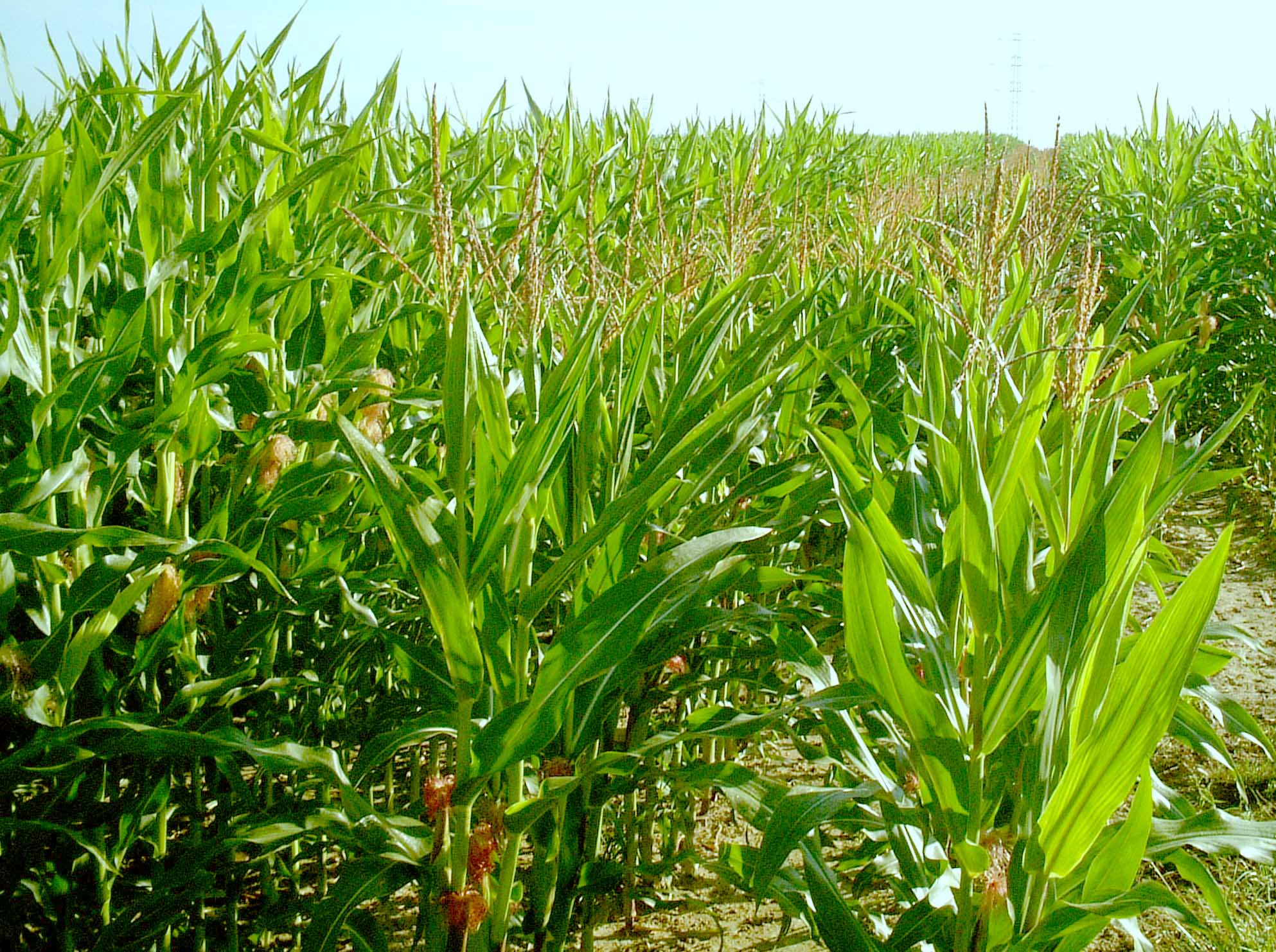 El uso de maíz Bt (con un gen bioinsecticida) reduce el uso de insecticidas tóxicos.
Prioridad número 1: Alimentación para la población
Kenya se propone adoptar cultivos transgénicos
Después que países africanos como Sudáfrica, Burkina Faso y Egipto adoptaran los cultivos transgénicos, ahora también Kenya, azotada por una hambruna a causa de sequías, se propone adoptar cultivos transgénicos como una opción adicional para lograr independizarse de las importaciones de granos.
Uno a uno, países en desarrollo van tomando decisiones basadas en SUS necesidades y no las de países europeos pudientes, que pueden darse el lujo de pagar el triple por productos orgánicos. En países subsaharianos, la productividad, y por ende la supervivencia de los pobladores, depende de tener acceso a tecnologías capaces de mejorar la producción agrícola bajo condiciones desfavorables, como sequías y ataques de pestes y plagas, con acceso limitado a maquinaria y fertilizantes.
Debate sobre la introducción de cultivos transgénicos en Kenya.